
Stop Giving Away Your Rights: Dina LaPolt on AI, Ownership & Artist Power
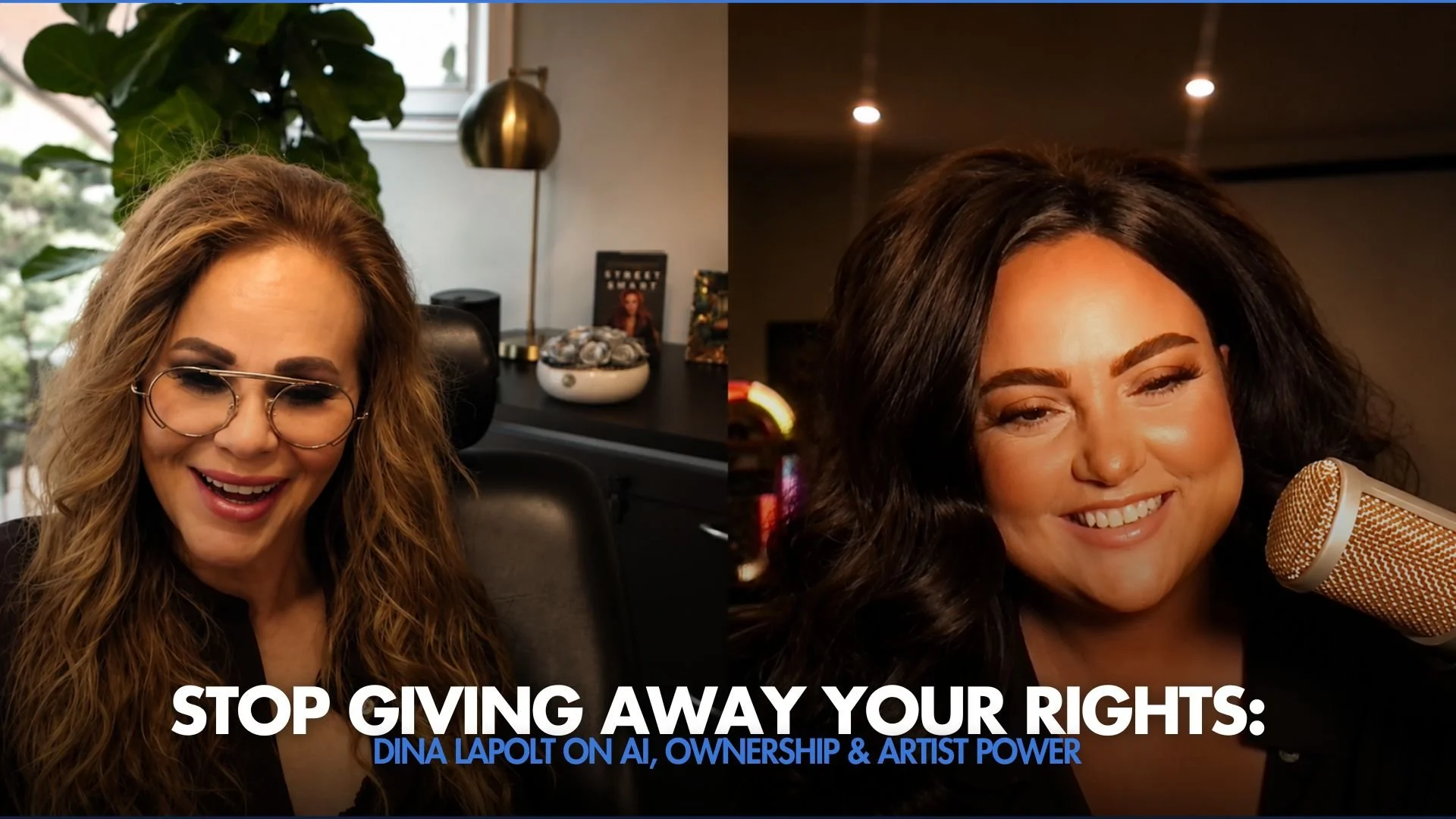
The music industry is facing one of the biggest transformations in its history. Between artificial intelligence, streaming, evolving copyright laws, and changing business models, artists today have more opportunities—and more challenges—than ever before.
On this episode of The Business Side of Music, host Sarah Fleshner sits down with renowned entertainment attorney, activist, author, and artist advocate Dina LaPolt to discuss artist rights, ownership, AI, songwriter royalties, music industry legislation, and what creators need to know to build lasting careers.
With nearly three decades at the helm of LaPolt Law, Dina has become one of the most influential voices in entertainment law and artist advocacy. But her story didn't start in a courtroom.
From Musician to One of the Most Powerful Attorneys in Music
Before becoming one of the music industry's leading attorneys, Dina LaPolt was a musician.
Raised in an activist family during a time when civil rights, women's rights, and social justice movements were reshaping America, Dina grew up learning the importance of advocacy and standing up for others. Music became her passion at an early age, and she started performing while still a teenager.
At a time when women were rarely encouraged to pursue careers in music, business, or law, Dina found herself navigating industries where few women held positions of influence.
"I've been in the music business my whole life," she explains.
After earning a degree in music, working as an artist, and spending time in artist management, Dina eventually attended law school with the goal of combining her passion for music with her passion for advocacy. That decision would ultimately lead to the creation of one of the most respected entertainment law firms in the country.
Building a Career Without a Blueprint
One of the most inspiring moments in the conversation comes when Dina recalls seeing a magazine feature highlighting the top music attorneys in the industry.
Page after page featured men. Only one woman appeared on the list.
Rather than seeing that as a reason to quit, she carried that example with her for years as motivation.
Today, after nearly 30 years of practicing entertainment law, Dina has helped shape legislation, represent major artists, advocate for songwriters, and become a role model for women entering the music business.
Fighting for Songwriters in the Streaming Era
As streaming transformed the music industry, Dina became increasingly involved in the fight for songwriter compensation.
During the transition from CDs to digital music services like Spotify, Apple Music, and Pandora, many songwriters discovered they were not receiving all of the mechanical royalties they were owed. Existing copyright laws simply had not anticipated the rise of interactive streaming platforms.
That realization led Dina into years of advocacy work that eventually contributed to the creation of the Music Modernization Act (MMA).
The MMA modernized how mechanical royalties are collected and distributed, helping ensure songwriters receive compensation from digital streaming services. The legislation also led to the creation of the Music Licensing Collective (MLC), which now serves as a central hub for collecting and distributing mechanical royalties.
For independent artists, songwriters, and music publishers, understanding royalties, publishing rights, and copyright law has never been more important.
AI Is the Music Industry's Next Major Disruption
According to Dina, artificial intelligence represents the second major industry disruption she has experienced in her career.
The first was Napster.
The second is AI.
From voice cloning and deepfakes to copyright concerns and digital identity protection, artificial intelligence is forcing lawmakers, artists, labels, and technology companies to rethink how intellectual property works in the modern era.
Dina discusses the proposed No Fakes Act, legislation designed to create federal protections for an individual's voice and likeness.
While many people think of these issues as artist-specific problems, Dina points out that AI-generated impersonation affects everyone—not just musicians and public figures.
As technology continues to evolve, protecting voice rights, likeness rights, and intellectual property will become increasingly important for creators and consumers alike.
Why Artists Need to Focus on the Art First
One of the most powerful themes throughout the episode is the balance between creativity and business.
Today's artists are expected to be creators, entrepreneurs, content creators, marketers, influencers, and business owners simultaneously.
While understanding the business is essential, Dina believes many artists make the mistake of prioritizing business opportunities before developing their art.
"The art has to come first."
She points to artists like Lady Gaga and Chappell Roan as examples of creators who stayed committed to their artistic vision long before widespread commercial success arrived.
For artists chasing long-term careers, building meaningful art remains the foundation of sustainable success.
What Gives Artists Leverage Today?
When discussing record deals, negotiations, and ownership, Dina emphasizes a simple principle:
Leverage comes from demand.
Artists who own their copyrights, trademarks, and intellectual property have significantly more negotiating power than artists who rely solely on advances or outside funding.
In today's music business, independent artists have access to tools and distribution platforms that didn't exist a generation ago. Artists can distribute music globally, build audiences through social media, and create viable businesses before signing with labels or publishers.
According to Dina, the best time to pursue a deal is when an artist has already maximized what they can accomplish independently and needs a larger team to continue growing.
In other words, build the business first. Then negotiate from a position of strength.
The Truth About Music Catalog Sales
Music catalog acquisitions continue to dominate industry headlines, but Dina offers a nuanced perspective on whether artists should sell.
For some legacy artists, catalog sales can create life-changing financial opportunities.
For younger artists, however, selling 100% of a catalog may not always be the best move.
Dina discusses alternative structures, including partnerships and debt facilities, that can provide artists with access to capital while allowing them to retain ownership of valuable intellectual property assets.
As catalog valuations continue to rise, artists should carefully evaluate all available options before making long-term decisions about ownership.
Dina's Most Important Advice for Artists
When asked what single piece of advice she would give to artists, songwriters, and young music industry professionals, Dina's answer was simple:
Get educated.
Understanding contracts, publishing, royalties, copyrights, trademarks, and ownership structures can dramatically impact an artist's career.
Talent alone is not enough.
The artists who succeed long-term are often the ones who understand both the creative and business sides of the industry.
Whether through books, courses, mentorship, or podcasts, investing in music business education remains one of the most valuable things a creator can do.
Listen to the Full Episode
This conversation is packed with insights for independent artists, songwriters, managers, music executives, attorneys, and anyone interested in the future of the music industry.
If you're navigating artist ownership, AI, publishing, royalties, record deals, or long-term career strategy, this is an episode you won't want to miss.
Spotify: https://open.spotify.com/episode/4PZQMy7qgXAZkv5Lg9mwTM?si=rUy2Kiu2RuWXvY8nJnaI4Q
Topics Included:
Dina LaPolt, entertainment attorney, music lawyer, artist rights, music business education, AI in music, artificial intelligence and copyright law, No Fakes Act, voice cloning, intellectual property rights, Music Modernization Act, Music Licensing Collective, songwriter royalties, mechanical royalties, streaming royalties, music publishing, copyright law, artist ownership, record deals, independent artists, music management, music industry advocacy, artist development, artist leverage, negotiating music contracts, catalog sales, music catalog acquisitions, copyright protection, music industry trends, women in the music industry, creator rights, digital streaming, music entrepreneurship, music business strategy, future of the music industry, protecting your music rights, entertainment law, songwriting business, independent music careers.
